The first time you step across the threshold of a home for sale, it isn’t just wood and mortar you’re crossing—it’s the invisible boundary between what was and what could be. The air hums with possibility, each room a blank canvas waiting for the brushstrokes of your life. Whether you’re scanning home listings for a cozy starter nest or dreaming of luxury homes that gleam like polished jewels, the search is never just about square footage or price tags. It’s about the quiet promise of a place that might one day hold your laughter, your tears, and the slow, steady rhythm of your days.
The Alchemy of Affordable Homes: Finding Beauty in Constraint
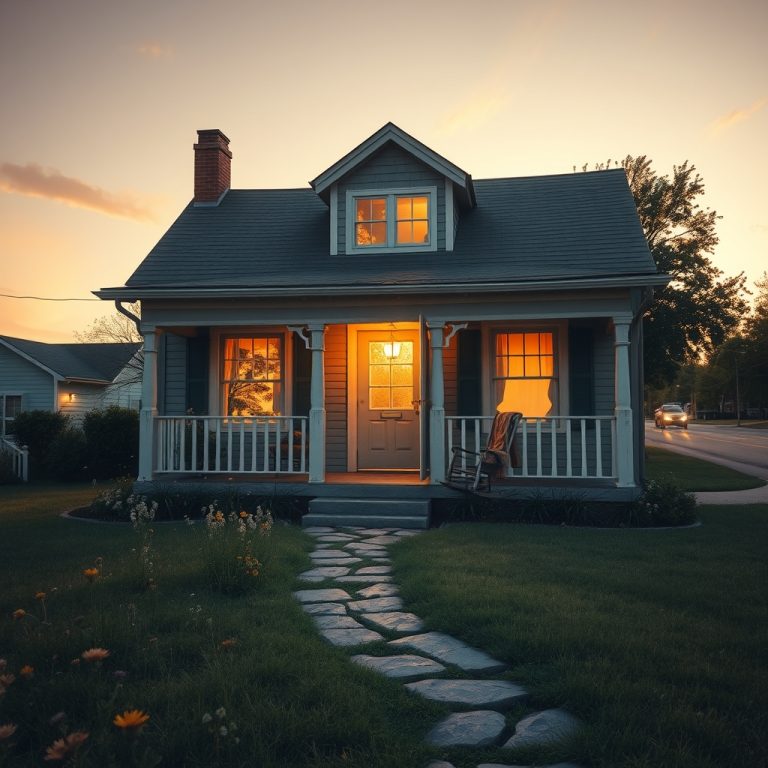
There’s a peculiar magic in hunting for affordable homes, where every dollar stretched feels like a small act of rebellion against the odds. These spaces often wear their imperfections like badges of honor—uneven floors that tell stories of generations past, tiny kitchens where creativity thrives in the absence of space, or a backyard just big enough to grow tomatoes and watch the sunset. The hunt for an affordable home isn’t a compromise; it’s a lesson in seeing potential where others see limitations.
Yet, the journey isn’t without its thorns. Bidding wars, outdated plumbing, or neighborhoods still finding their footing can test even the most patient soul. But those who persevere often discover something rare: a home that feels earned, not just acquired. It’s in the way sunlight slants through a window you fought to keep, or how the creak of the front door becomes a familiar melody. These homes teach us that value isn’t measured in granite countertops or walk-in closets, but in the way a space makes us feel—seen, safe, and finally, home.
New Home Construction: The Thrill of a Blank Page
For some, the allure of new home construction lies in the intoxicating freedom of a blank page. No ghosts of previous owners, no layers of paint to peel back—just the exhilarating terror of choice. Should the floors be warm oak or cool slate? Will the kitchen island face the garden or the living room? Every decision is a brushstroke in the portrait of your future, and the process can feel like falling in love with a version of yourself you haven’t met yet.
But building a home from the ground up is also a masterclass in patience. Delays, budget overruns, and the occasional miscommunication with contractors can turn the dream into a test of endurance. Yet, when the last nail is hammered and the keys finally rest in your palm, the reward is unparalleled. You’re not just moving into a house; you’re stepping into a story you’ve written, brick by brick. The walls don’t just hold your belongings—they hold the echoes of your choices, your compromises, and the quiet pride of creation.
The Home Buying Guide: Navigating the Labyrinth with Heart and Head
A home buying guide is more than a checklist of inspections and loan pre-approvals—it’s a map through the emotional labyrinth of one of life’s biggest decisions. The first rule? Acknowledge the fear. Whether it’s the fear of overpaying, of choosing the wrong neighborhood, or of biting off more than you can chew, these anxieties are as much a part of the process as the paperwork. The key is to let them coexist with the excitement, not smother it.
Start with the soul-searching questions: What does home mean to you? Is it a sanctuary, a status symbol, or a launchpad for the next chapter? Then, let the practicalities follow. Research home value estimators to understand what’s fair, but don’t let numbers dictate your heart. Walk the streets at different times of day, talk to neighbors, and imagine your daily routines unfolding in the space. A home isn’t just an address; it’s the backdrop to your life, and its rhythm should sync with yours.
The Rent vs. Buy Dilemma: A Dance with Commitment
For many, the crossroads between renting and buying is where logic and emotion engage in their most heated debate. Renting offers freedom—the ability to pick up and leave when the lease ends, to avoid the weight of maintenance, or to test-drive a neighborhood before committing. But it’s also a dance with impermanence, where the walls around you never quite feel like yours.
Buying, on the other hand, is an act of faith. It’s betting on your future self, trusting that the life you’re building today will still fit the person you become tomorrow. The mortgage payments may feel like shackles at first, but over time, they transform into something else: the steady beat of progress, the quiet accumulation of equity, and the deep, unshakable knowledge that this space is yours. There’s no right answer—only the one that aligns with your season of life.
Luxury Homes: When Opulence Meets Longing
To step into a luxury home is to enter a world where every detail has been curated to evoke awe. Vaulted ceilings stretch like cathedral arches, kitchens gleam with appliances that cost more than most cars, and bathrooms feel like private spas. These homes are less about shelter and more about aspiration—a physical manifestation of what success looks like in a world that often measures worth in square footage and marble finishes.
Yet, for all their grandeur, luxury homes can feel strangely hollow if they don’t resonate with the soul. A mansion with no laughter echoing through its halls is just a museum of potential. The true luxury isn’t in the price tag, but in the way a home makes you feel: whether it’s the warmth of a fireplace on a winter’s night or the joy of a kitchen where friends gather to cook and gossip. Opulence is meaningless without connection, and the most exquisite homes are those that cradle the ordinary magic of life.
The Unseen Threads That Bind Us to Place
Perhaps the most overlooked aspect of real estate is the way a home becomes a silent witness to our lives. It’s in the scuff marks on the floor where a child took their first steps, the dent in the wall from a door swung open too eagerly, or the way the light falls across the dining table during Sunday breakfasts. These imperfections aren’t flaws—they’re the fingerprints of a life well-lived, the proof that a house isn’t just a structure, but a living, breathing entity that grows and changes with us.
So whether you’re scrolling through home listings with a cup of coffee in hand or standing in an empty room, heart pounding with possibility, remember this: the right home isn’t just about the features it offers. It’s about the way it makes you feel when you close your eyes and imagine your life unfolding within its walls. It’s the quiet certainty that here, in this space, you could write the next chapter of your story—and that’s the kind of value no home value estimator can quantify.
About the Author